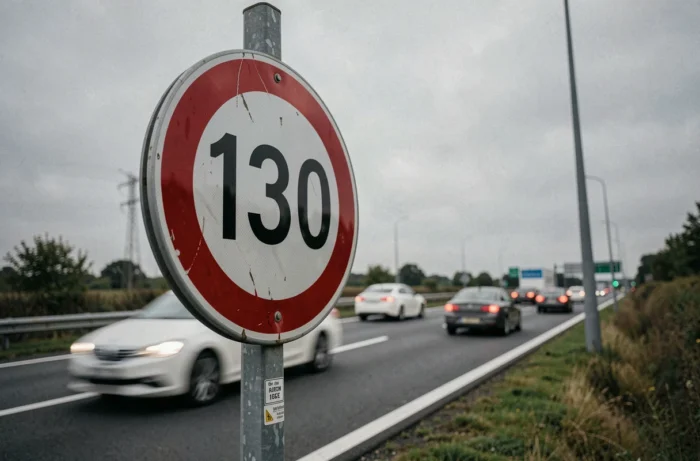
The technical margin of a radar does not constitute a legal tolerance. The Highway Code penalizes any exceedance of the maximum authorized speed, including by just one kilometer per hour. The distinction between measured speed and retained speed after technical correction is, however, the point that most drivers who are fined do not understand, even though it determines the entire applicable scale.
Retained speed and radar technical margin: the real threshold for fines
A fixed radar applies a margin of 5 km/h for measured speeds up to 100 km/h, then a margin of 5% beyond that. A mobile or onboard radar uses a broader correction. The retained speed, which appears on the notice of violation, therefore corresponds to the measured speed reduced by this margin.
In practical terms, a vehicle flashed at 96 km/h in a zone limited to 90 km/h will be notified of a retained speed of 91 km/h, resulting in an excess of 1 km/h. The offense is constituted, but it falls into the lowest range of the scale. The entire logic of sanction relies on this post-correction gap, not on the speed displayed on the speedometer or the raw speed captured.
For a mobile radar, the margin increases to 10 km/h under 100 km/h and to 10% beyond. A driver flashed at 141 km/h on the highway by an onboard vehicle will have a retained speed of 127 km/h, which brings the actual excess below the 10 km/h threshold compared to the limit of 130. Understanding this mechanism helps avoid contesting a speeding fine on an erroneous basis.
Speeding less than 5 km/h: fine without point deduction since 2024
Since January 1, 2024, an excess of less than 5 km/h no longer deducts any points from the driver’s license. The fine remains due, but the penalty is limited to the fixed fine. This change alters the risk calculation for drivers on a probationary license as well as for those whose point balance is already depleted.
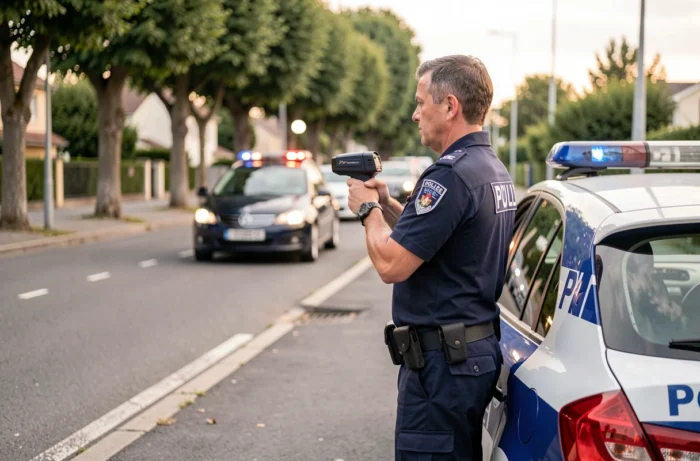
The amount of the fine varies depending on the location of the offense:
- Outside urban areas (maximum authorized speed over 50 km/h): fixed fine of €68, reduced to €45 if paid within the reduced timeframe, increased to €180 in case of late payment.
- In urban areas or on roads limited to 50 km/h or less: fixed fine of €135, reduced to €90, increased to €375.
- The payment deadline to benefit from the reduced amount is 15 days by mail, extended to 30 days in case of online payment.
We observe that this distinction between urban and non-urban areas remains poorly understood. An identical excess of 3 km/h costs nearly double in urban areas.
Sanction scale from 5 km/h: points, suspension, offense
Point deduction starts at the range of 5-19 km/h above the limit. The progression of the scale is structured in clear tiers.
Between 5 and 19 km/h of excess, the fine is class 3 outside urban areas (€68 fixed) or class 4 in urban areas (€135). The deduction is one point from the license.
Between 20 and 29 km/h, the fine moves to class 4 in all cases (€135 fixed), with a deduction of two points and the possibility of license suspension.
Between 30 and 39 km/h, the deduction rises to three points, the fixed fine remains at €135, but the license suspension can reach three years. The police court may also impose a road safety awareness course.
Between 40 and 49 km/h, four points are deducted. The fixed fine remains €135, license suspension may be pronounced, and immediate retention of the license by law enforcement becomes systematic during roadside checks.
The 50 km/h threshold: transition to offense
From 50 km/h above the authorized speed, the offense is no longer a contravention but an offense punishable by the correctional court. Six points are deducted. The fine can reach €1,500 (€3,750 in case of recidivism). License suspension can last up to three years, with no possibility of adjustment for a white license in certain cases. In case of recidivism, vehicle confiscation and a prison sentence become legally possible.
This shift from contravention to offense radically changes the procedure. The driver no longer deals with the simple payment of a fixed fine but with a summons before a judge, with registration on the criminal record.
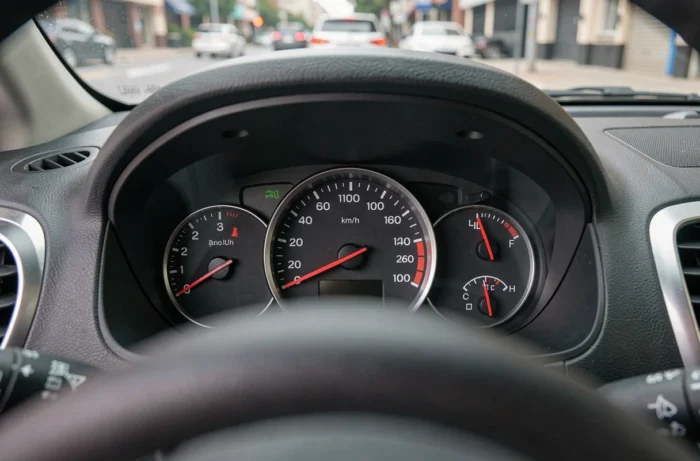
Contesting a speeding offense: deadlines and admissible conditions
The contestation of a notice of contravention for speeding must be made within 45 days from the date of sending the notice. It is done by a request for exemption to the public prosecutor’s officer, either by registered mail or via the ANTIA website.
The admissible grounds in law are limited:
- The driver was not the actual driver at the time of the offense (vehicle loan, theft).
- The radar had a defect in approval or periodic verification (expired metrology certificate).
- The notice of contravention contains a material error (license plate, location, date) making identification impossible.
Contesting solely on the grounds that the technical margin is deemed insufficient has no legal basis. The margin is set by ministerial decree and applies automatically before the issuance of the notice. The retained speed already incorporates this correction.
The filing of a contestation suspends the obligation to pay, but if it is rejected, the driver is exposed to the increased fine. We recommend consulting a lawyer specialized in traffic law before any action, especially when the excess exceeds 40 km/h or in cases of recidivism, where the legal consequences justify a structured defense.
The current scale penalizes any excess from the retained speed, without an unofficial floor. The removal of point deduction under 5 km/h since 2024 should not obscure the fact that the fine remains systematic. For a driver on a probationary license with a reduced balance, a single excess of 5 km/h is enough to trigger a mandatory points recovery course.