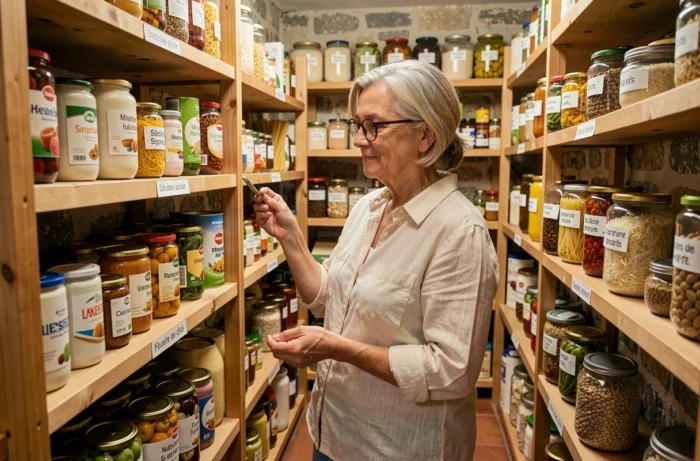
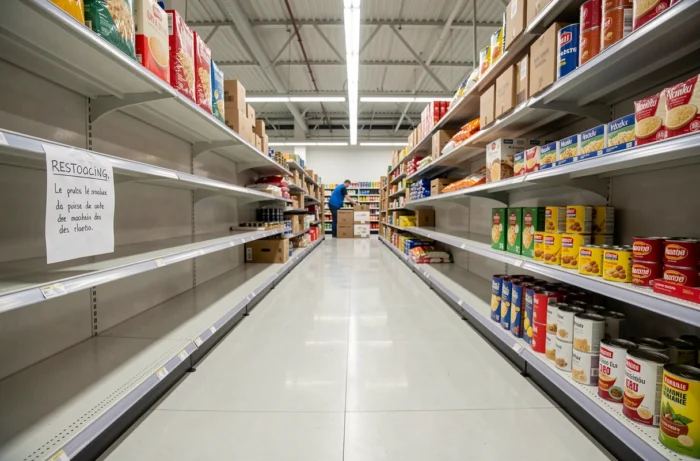
When tomatoes disappear from the stalls in the middle of summer or when the egg aisle remains desperately empty on a Monday morning, we realize that the issue of supply shortages is no longer theoretical. Anticipating food shortages in France requires looking at the supply chains one by one, identifying those where the balance between supply and demand is the most fragile.
Egg Supply Chain: A Tension No Longer Dependent on Health Crises
We often think of avian flu when discussing egg shortages. The reality on the ground is different. Egg purchases in supermarkets have increased by 25% over the past ten years, and by 5% in just the year 2025. Demand is growing faster than production capacity.
With a self-sufficiency rate of about 96%, France produces almost what it consumes. But this figure also means that a loss of 1 to 2% of the laying hen population directly translates into empty shelves. The leeway for the egg supply chain is virtually non-existent.
Additionally, there is the accelerated transition to cage-free farming. By the end of 2024, 75% of laying hens were raised in alternative systems. This restructuring, desirable from an animal welfare perspective, requires heavy investments and production lead times that temporarily reduce available volumes. Therefore, we monitor eggs year-round, not just during avian flu outbreaks.
To better understand food shortages in France, it is essential to move beyond the logic of occasional crises and examine structural imbalances supply chain by supply chain.
Summer Fruits and Vegetables: When Drought Reduces Sizes and Volumes
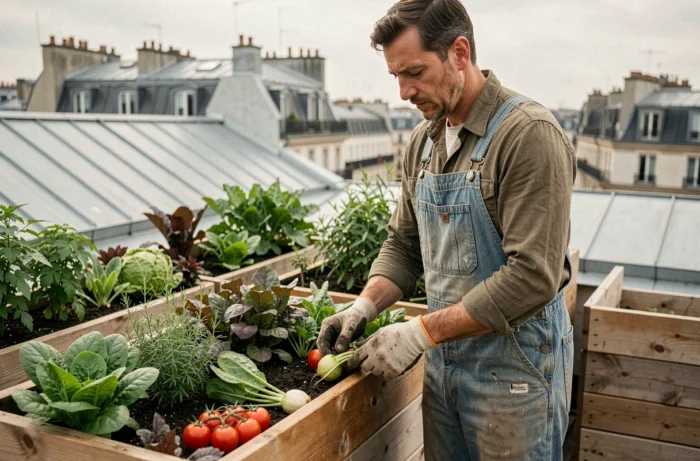
The summer of 2024 confirmed a recurring pattern. Drought reduces yields, decreases the size of fruits and vegetables, and drives prices up. Tomatoes, salads, zucchinis: the most common products are also the most exposed.
Smaller sizes mean less weight per crate, resulting in less volume on the shelves for the same number of harvests. Farmers absorb part of the shock, but beyond a certain threshold, production can no longer keep up. The head of Intermarché has warned of a possible return of food inflation linked to these yield declines.
What has changed compared to previous years is the repetition. We are no longer talking about an exceptional summer but a trend. Aquifers are not replenishing enough between dry seasons, and open-field vegetable crops are suffering the direct consequences.
Products to Stock or Anticipate Daily
You cannot stock fresh tomatoes. However, you can adapt your reserves and habits:
- Canned tomatoes, sauces, and dried vegetables have a long shelf life and compensate for fresh shortages during times of tension.
- Root vegetables (carrots, beets, potatoes) withstand drought better and remain available longer on the stalls.
- Frozen summer vegetables, packaged after seasonal harvest, help smooth availability throughout the year.
Water and Dairy Products: Two Areas Under Silent Pressure
Drought affects not only fruits and vegetables. It also impacts forage production, which in turn affects livestock feed, and thus milk. When pastures no longer produce enough grass, farmers buy imported feed, increasing their costs. Some are reducing their herds.
Milk is a product whose price masks the fragility of the supply chain. Returns on this point vary by region, but the areas most affected by heat waves are already seeing their volumes decline.
On the water side, the situation is more direct. Usage restrictions multiply every summer, and while tap water remains available, bottled mineral waters are experiencing recurring logistical tensions. Stocking a few packs of water at home remains a sensible precaution for any household.
Building a Realistic Food Stock Without Giving in to Panic
Anticipating does not mean filling a garage with canned goods. A useful stock relies on products that are already consumed daily, with regular rotation to avoid waste.
The Basics of a Functional Food Reserve
- Pasta, rice, semolina, and dried vegetables: long shelf life, versatile, inexpensive. Aim for two to three weeks’ worth for a household.
- Oil, sugar, salt, flour: staple products whose quality allows for storage without particular constraints.
- Canned fish (tuna, sardines, mackerel): a stable source of protein, to be monitored as tensions on marine raw materials also exist.
- Pet food: often forgotten, this category faces the same supply chain dynamics as human food.
The principle of a rotating stock prevents waste: consume what you have stored and replace it gradually. No need for extra fuel or freezer space, just a well-organized cupboard.
What Is Useless
Buying fifty kilos of flour at once does not protect against anything if you do not know how to consume it under normal circumstances. Useful reserves are those that integrate into the daily life of the household. A stock that is forgotten at the back of a garage ends up in the trash.
Food shortages in France do not resemble those in other countries. We are not talking about famine, but about occasional disruptions in specific products, amplified by climate change and supply chains operating on a just-in-time basis. Monitoring eggs, summer fruits and vegetables, milk, and bottled water allows for targeted efforts. Anticipating means adjusting purchasing habits before the shelf is empty.