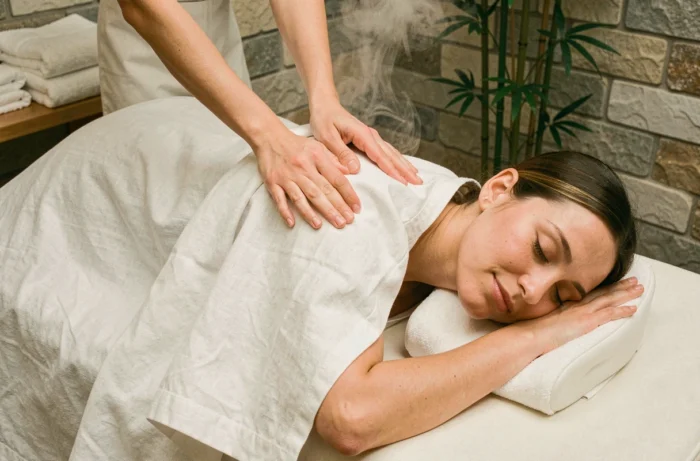
Wellness massages are often associated with muscle relaxation and relief from physical tension. A meta-analysis published in 2024, encompassing 137 studies and over 12,000 participants, provides a different perspective: the psychological benefits of massage (reduction of anxiety, alleviation of depressive symptoms) may be more pronounced than its effects on muscle complaints. What parameters truly distinguish an effective session from a simple moment of relaxation?
Wellness Massage: Physical Effects Compared to Psychological Effects
Most content on the subject highlights the decrease in cortisol as the main mechanism of relaxation through massage. Recent syntheses nuance this interpretation.
Several reviews emphasize that the decrease in cortisol measured after a massage is low and often not significant. The perceived benefit may stem more from a regulation of the autonomic nervous system and emotional experience than from a simple hormonal mechanism.
| Measured Dimension | Effect Size (Meta-analysis 2024) | Observation |
|---|---|---|
| Physical Pain | Moderate Effect | Real relief but variable depending on the technique |
| Situational Anxiety | Moderate to Marked Effect | Measurable reduction from the first session |
| Background Anxiety | Moderate Effect | Cumulative benefit with regularity |
| Depressive Symptoms | Moderate Effect | Often more pronounced than the effect on pain |
| Salivary Cortisol | Weak Effect, often not significant | Cannot solely explain the perceived benefits |
This table summarizes the results of the meta-analysis integrating 137 studies. The conclusion is clear: massage affects the emotional sphere more than pure muscular mechanics. Practitioners like those referenced on lesmassagesdetiphaine.fr specifically direct their sessions towards this global dimension of deep relaxation.
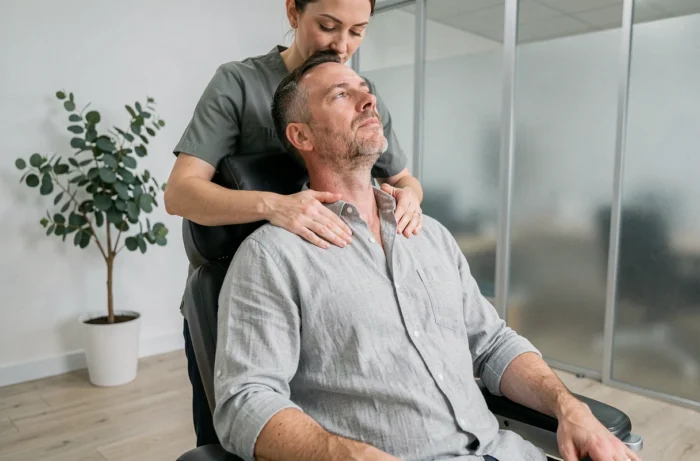
Massage Techniques and Deep Relaxation: What Makes the Difference
Slow movements, moderate pressure, and attention to the recipient’s breathing characterize approaches focused on relaxation. In contrast, strong pressure techniques (such as deep tissue) target more on contractures and sports recovery.
The distinction between these two registers is not anecdotal. A relaxing massage session involves specific gestures:
- Long and continuous strokes that stimulate superficial sensory receptors, promoting a shift towards the parasympathetic nervous system (the recovery mode)
- A regular and predictable rhythm, which decreases the body’s vigilance and facilitates mental relaxation
- Adapting the pressure to each area of the body, avoiding tension points that could trigger a muscular defense reaction
The choice of technique directly conditions the depth of relaxation achieved. A wellness massage is not intended to treat a pathology but to create the conditions for a global release of body and mind.
Session Duration and Regularity
The 2024 meta-analysis indicates that the benefits on background anxiety increase with the regularity of sessions. An isolated session produces a measurable effect on situational anxiety, but it is the repetition that consolidates the effect on overall well-being.
No universally suitable duration emerges from the data. In practice, relaxing massage sessions generally last between 45 minutes and an hour, a format that allows the nervous system to shift into recovery mode.
Legal Framework for Wellness Massage in France
Wellness massage is distinguished from therapeutic massage by a precise regulatory framework. Only physiotherapists are authorized to practice therapeutic massage in France. Wellness massage practitioners operate outside the medical field, without diagnosis or prescription.
This distinction has concrete consequences for the client. A wellness practitioner cannot claim to treat a pathology (herniated disc, tendonitis, sciatica). Their role lies in supporting relaxation, bodily comfort, and stress management.
How to Verify a Practitioner’s Competence
The wellness massage sector does not have a professional order or a unique state diploma. Several certifying training programs exist, but their level varies considerably.
- Check that the practitioner has completed basic anatomy training (knowledge of areas to avoid, contraindications)
- Ensure that a health questionnaire is provided before the first session to rule out risky situations (recent phlebitis, acute inflammation, advanced pregnancy)
- Prefer practitioners who systematically adapt pressure and technique to the client’s profile rather than applying a one-size-fits-all protocol
The preliminary questionnaire is a reliable indicator of a practitioner’s seriousness. A wellness masseur who does not ask any questions about health status before starting lacks a basic precaution.
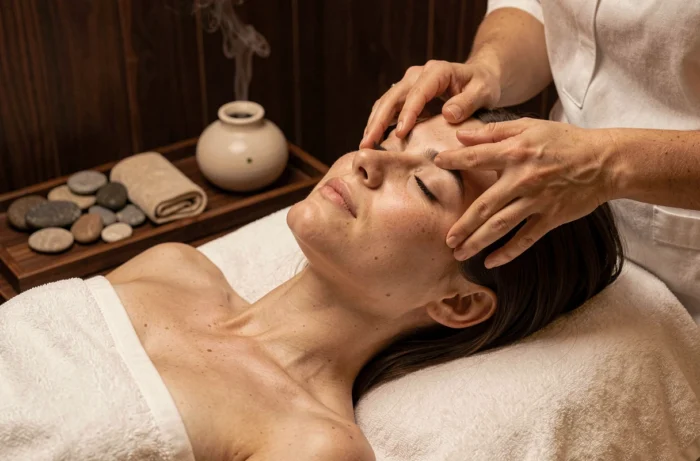
Wellness Massage and Sleep: A Link Confirmed by Research
Among the benefits most often reported by individuals receiving regular massages, improvement in sleep quality consistently arises. The data from the 2024 meta-analysis confirm that the reduction in anxiety achieved through touch directly contributes to faster falling asleep and more stable sleep.
The mechanism involves the regulation of the autonomic nervous system. By activating the parasympathetic branch, massage lowers heart rate and muscle tension, two prerequisites for restorative sleep. The effect on sleep is a direct consequence of nervous regulation, not an independent benefit.
For individuals suffering from sleep disturbances related to stress, a relaxing massage session at the end of the day can produce a measurable effect as early as the following night. Regularity amplifies this effect over several weeks.
Current data place wellness massage among the most documented non-drug approaches for managing anxiety and improving sleep. The fact that its psychological benefits surpass its muscular effects changes the way to choose a session: the quality of touch and the environment matter as much, if not more, than the technique employed.