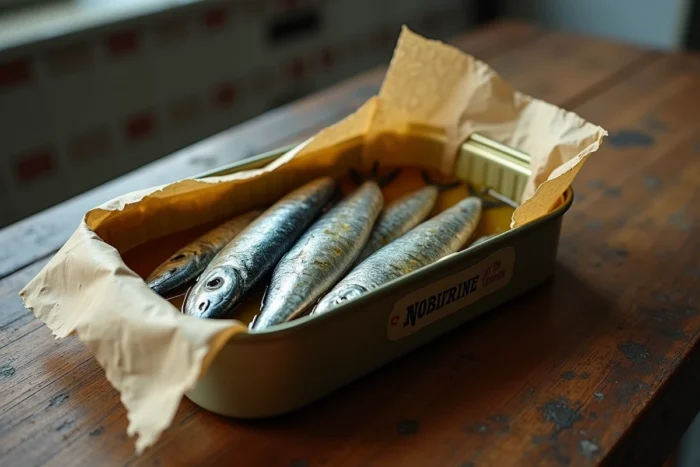
We open a can of sardines for a quick meal, pour the contents over toasted bread, and forget about it. The action is mundane, the can ubiquitous in French cupboards. However, canned sardines concentrate several health issues that deserve a look at the can before opening it: quality of the oil, salt content, cooking method of the fish, and possible presence of contaminants.
Histamine in canned sardines: the risk that the label does not mention
When discussing risks associated with canned sardines, we first think of heavy metals. The sardine, a small fish at the bottom of the food chain, accumulates little mercury compared to tuna or swordfish. The most concrete and monitored danger today is histamine.
Histamine forms when the fish is poorly refrigerated between catching and canning. Once produced, cooking does not destroy histamine. It remains in the can, invisible, odorless. Symptoms range from simple redness to severe discomfort in sensitive individuals.
The official platform Rappel Conso has issued several alerts in recent years regarding canned sardines recalled for histamine levels exceeding regulatory limits. In January 2026, El Manar sardines in olive oil were recalled for this reason. These cases do not only concern obscure brands: products sold in major retailers are regularly affected.
Histamine cannot be detected by opening the can. The only consumer protection is to regularly check the Rappel Conso website and avoid dented or bulging cans, signs of improper storage. To better understand the dangers of canned sardines, one must look beyond just mercury.

Pre-fried or steamed sardines: the direct impact on omega-3s
We buy sardines for their omega-3 fatty acids, protein, and vitamin D. The problem is that the cooking method before canning radically changes what we consume.
The majority of sardines sold in supermarkets are pre-fried before being canned. This frying, often done in sunflower or rapeseed oil, degrades a significant portion of omega-3s and adds omega-6 fatty acids that the Western diet does not need. Dr. Charlélie Couput, a pharmacist, warns about this: pre-frying is the manufacturing detail that spoils the supposed benefits of sardines.
Sardines steamed before canning retain their nutritional profile much better. The catch is that this information is not always legible on the packaging.
Identifying the cooking method on the can
On some brands, the mention “whole sardines” or “sardines cooked in their juice” indicates steaming. When reading “sardines in oil” without further specification, pre-frying is common. Feedback varies on this point depending on the brands, but a few reflexes help to sort:
- Look for the explicit mention “steamed” or “no frying” on the packaging or the manufacturer’s website
- Prefer “natural” sardines or “extra virgin olive oil” sardines whose ingredient list contains only sardines, oil, and salt
- Beware of long ingredient lists: an aroma, a thickener, or an unspecified “vegetable oil” often signal a low-quality product
Salt and regular consumption: the dose that poses a problem
One can of sardines can cover a significant portion of the recommended daily sodium intake. For someone who eats canned sardines several times a week (which some fish-rich diets recommend), the accumulated salt becomes a real issue, especially in cases of hypertension or kidney disease.
“No added salt” sardines exist, but they remain a minority on the shelf. Natural sardines generally contain less sodium than those in oil, where the brine contributes to preservation.
Rinsing sardines before consumption reduces some of the salt but also alters the texture and taste. The most reasonable compromise for regular consumption: alternate between natural sardines and sardines in olive oil, while systematically checking the salt content indicated on the back of the can.
Concrete criteria for choosing a good can of sardines
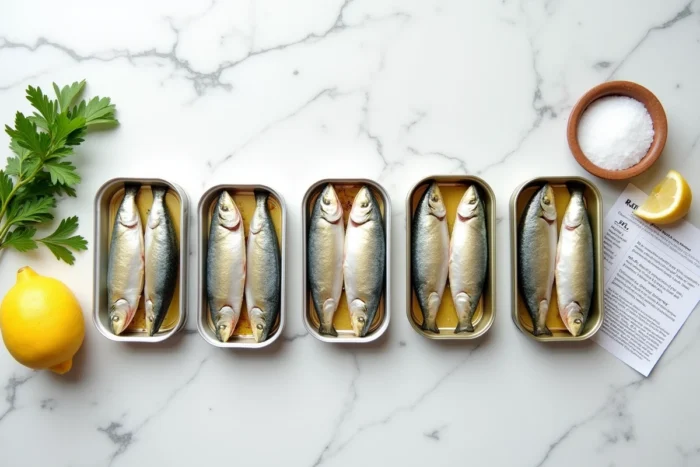
In the canned goods aisle, price is not a reliable indicator of nutritional quality. Some inexpensive steamed sardines are better than a high-end can pre-fried in poor-quality oil. Here’s what to check first:
- Short ingredient list: sardines, extra virgin olive oil (or “natural”), salt. Three ingredients are enough
- Mention of the cooking method: steaming or “no frying” is a positive signal
- MSC label (sustainable fishing) or mention of the fishing area: this does not affect health, but indicates a manufacturer transparent about its supply chain
- Fishing date or vintage: sardines improve in canning, but a visible date shows a concern for traceability
Brands that clearly display the cooking method, fishing area, and a reduced ingredient list are those that have nothing to hide. Among the references often cited by dietitians are artisanal canneries from Brittany and Portugal, but also some large retail brands that have revised their processes.
Canned sardines remain one of the best nutritional quality-price ratios in the fish aisle. Protein, omega-3, vitamin D, calcium from the bones: the profile is solid. The whole difference lies in the cooking method and the quality of the oil, two parameters that careful reading of the label can verify.